

Tips for Managing Rosacea Symptoms
Book your skin consultation today!
How do you clear up rosacea? This post provides expert insights on common rosacea symptoms and treatments.
Rosacea isn’t just about redness—it’s about unpredictability. One day, your skin feels calm, and the next, it’s flushed, reactive, and difficult to manage. For many, the most frustrating part isn’t just the symptoms; it’s not knowing why it’s happening or what will actually help.
At DermaTouch RN, we approach rosacea symptoms differently. Instead of chasing quick fixes, we focus on understanding your skin as a whole, including its triggers, sensitivities, and unique needs. Because not all redness is rosacea, and not all rosacea should be treated the same way.
In this guide, we turn to Houston-based Aesthetician Krys Givens for expert insight into the most effective ways to treat and manage rosacea, from advanced in-clinic treatments like BBL, laser therapies, and UltraVision™ RF Microneedling to professional-grade skincare that supports barrier repair and long-term skin health. We’ll also explore how internal factors, like gut health and inflammation, can play a role in what you’re seeing on your skin.
Whether you’ve been diagnosed with rosacea or are simply trying to understand persistent redness, this guide is designed to give you clarity and a path forward that actually makes sense for your skin.
What Is Rosacea?
Rosacea is a chronic inflammatory skin condition that most commonly appears as persistent redness across the cheeks, nose, chin, and forehead, but it can present in several different ways. For some, rosacea symptoms show up as frequent flushing or visible blood vessels. For others, it may include acne-like breakouts, skin sensitivity, or a sensation of heat and irritation.
While the exact cause of rosacea isn’t fully understood, it’s often linked to a combination of factors, including genetics, immune response, environmental triggers, and the health of your skin barrier and microbiome. Common triggers include sun exposure, heat, spicy foods, alcohol, stress, and certain skincare products.
What Are Common Rosacea Treatments?
According to Givens, options for treating rosacea at DermaTouch RN include both “pro-grade skincare, as well as in-clinic services.”
In clinic service recommendations may include:
- BBL (BroadBand Light): A light-based treatment that targets redness and visible blood vessels by delivering gentle pulses of energy into the skin. Helps reduce flushing, even out skin tone, and support overall skin health with little to no downtime.
- DiamondGlow: A non-invasive facial treatment that exfoliates, extracts impurities, and infuses the skin with targeted serums. Helps improve skin texture, hydration, and overall clarity—making it a great option for supporting sensitive, redness-prone skin.
- Glacial Gloss / Glacial Glide: Cooling, anti-inflammatory treatments that use cold technology to calm redness, reduce inflammation, and support the skin barrier. Ideal for soothing sensitive or rosacea-prone skin while enhancing hydration and overall skin balance.
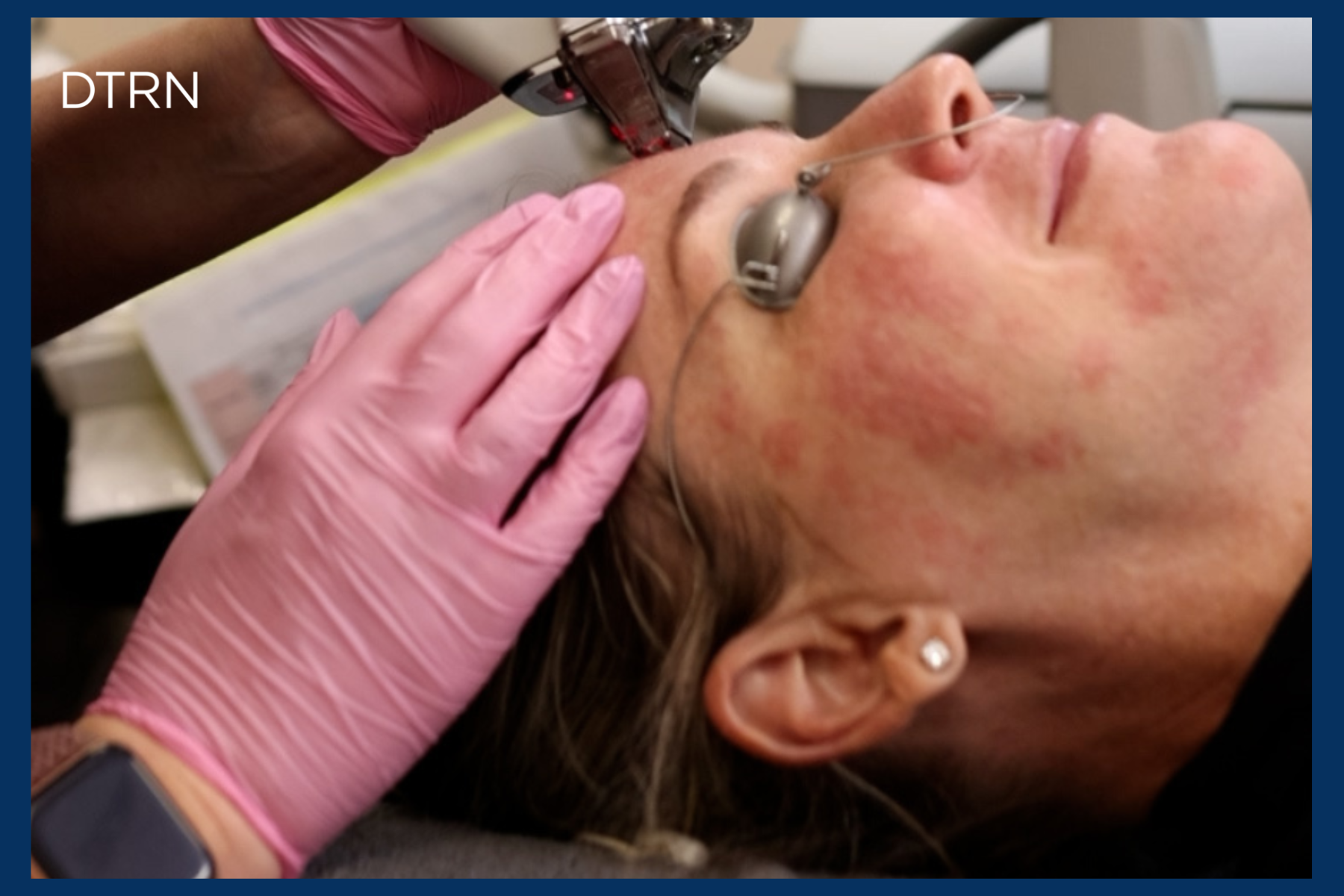
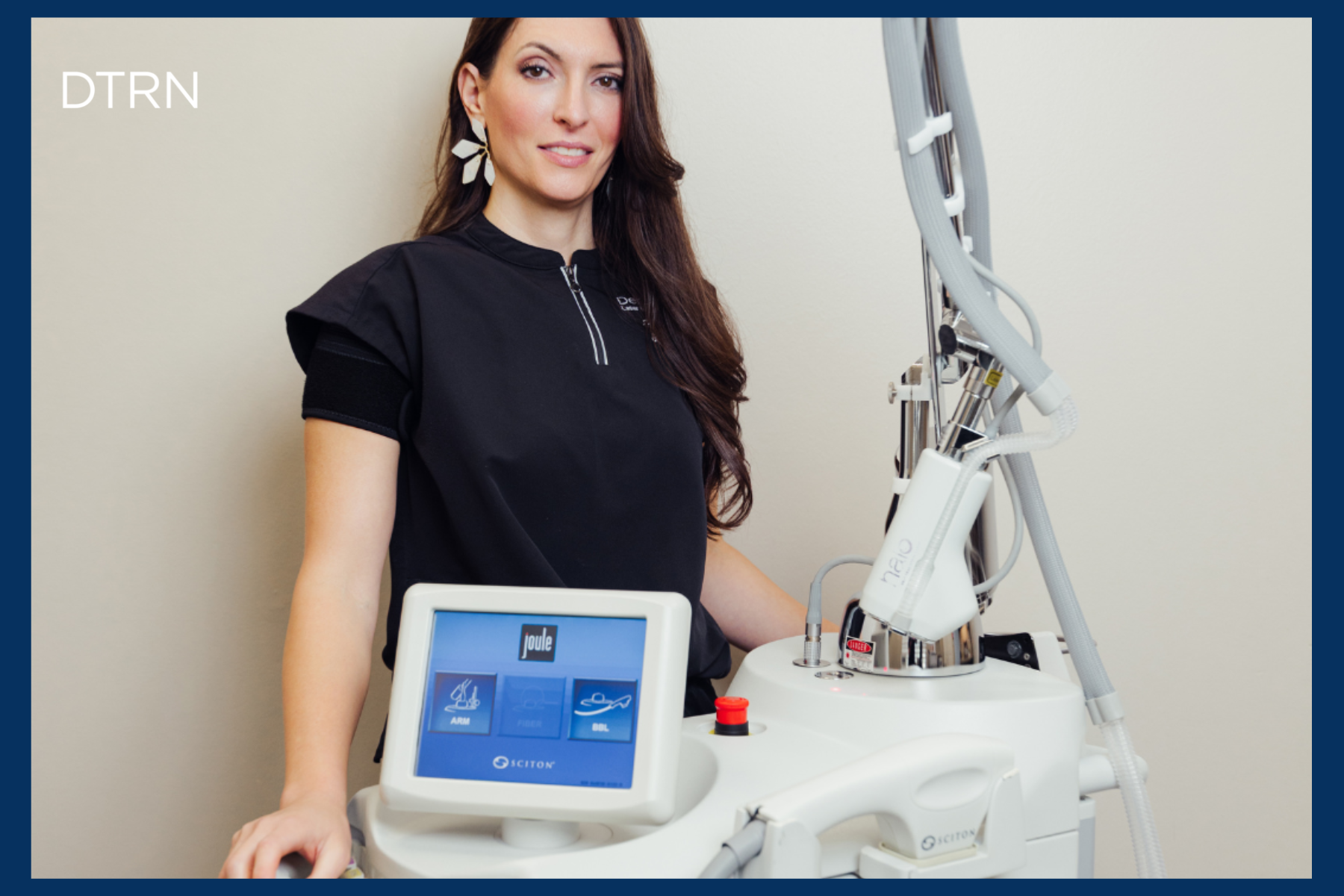
- Laser Treatments (like Halo, MOXI, CoolPeel): Advanced treatments that target redness, uneven tone, and skin texture by stimulating collagen and improving overall skin health. Depending on the device, they can help reduce visible vessels, calm inflammation, and support long-term skin renewal—all customized to your skin’s sensitivity and needs.
- UltraVision RF Microneedling: Combines microneedling with radiofrequency to stimulate collagen, strengthen the skin, and improve overall tone and texture. Helps support healthier, more resilient skin over time—making it a great option for managing redness and improving skin quality.
Some of the top professional-grade products that can help manage rosacea redness, compromised skin, and general skin redness include:
- SkinMedica, including Lumivive, TNS Advanced Plus, Even & Correct Brightening Treatment Pads, Even & Correct Advanced Brightening Treatment, and HA5 Hydra Collagen Water Burst Moisturizer.
- Epicutis, an EWG-certified skincare line that supports foundational skin health by focusing on proper barrier function and a healthy, balanced microbiome through advanced biotechnology formulations with minimal ingredients.
- (plated) Exosomes, particularly (plated) CALM Exosomes – these advanced, medical-grade skincare treatments are designed to calm inflammation and support skin repair at a cellular level.
- OmniLux Red Light Mask, which uses clinically proven wavelengths of red LED light to gently support the skin at a cellular level, making it a great option for calming rosacea-prone skin.
- Sunscreen/SPF to protect the skin, with mineral-based formulations typically being the best option.
As Givens suggests, it’s best to have an in-person consultation with a skilled aesthetic professional at DTRN to help determine which of these product options are best suited to your specific needs.
Not all types of rosacea are created equally, nor is there a one-size-fits-all approach for individual needs and rosacea symptoms and types.
What Other Options Are Common to Treat Rosacea Symptoms?
Givens shares that other common ways to treat rosacea symptoms may include avoiding foods or activities that trigger flare-ups, such as spicy foods, alcohol, and extreme heat, as well as dermatologist-prescribed medications.
“It’s always a good idea to consider gut health as well,” states Givens. “Just as we have a microbiome on our skin, we also have one inside of our intestinal tract, and keeping these delicate microbiomes healthy is key to maintaining balance. Remember – our skin is often considered a mirror to what goes on inside the body.”
What if Redness Isn’t Rosacea?
Givens reminds us that not all redness of the skin is rosacea:
“Oftentimes, redness of the skin and face is assumed to be rosacea simply because the skin appears flushed. However, it’s best to meet with a provider to determine what the reason or reasons for the red or flushed appearance are, as well as what appropriate products, actions, and services are appropriate to address your concern, specifically.”
Some additional reasons the skin may appear flushed include:
- Compromised barrier (often due to over-exfoliating, using the incorrect tool(s) and products for your skin, or weather-related)
- Sun damage
- Autoimmune disease and/or systemic inflammation
- Skin sensitivity
- Allergic reactions
- Dermatitis
- Overconsumption of niacin (vitamin B3)
Pro tip: Conditions like barrier damage, sensitivity, dermatitis, or systemic inflammation can create a similar flushed appearance to rosacea. That’s why a professional evaluation is key—understanding why your skin is reacting is the first step in choosing the right treatment approach.
Some Final Words about Rosacea Symptoms and Treatments
You’re now better informed about rosacea symptoms and treatment options, but the most important step is still getting the right diagnosis and guidance:
“If in doubt, it’s always best to check in with your dermatologist [or skin specialist] for a proper diagnosis and, where appropriate, medication management. However, there are many professional-grade med-spa products and services that can help support your personal journey to great skin health.”
Schedule a Skin Consultation Today
Are you ready to determine the best products to treat the redness of your skin and rosacea?
Book online or call 210-538-1283 (San Antonio) or 281-720-8718 (Houston) to get started on your journey to improving the condition of your skin.
Krys Givens, MA

Aesthetician and Laser Tech
Krys is a Medical Aesthetician with a long-standing passion for the beauty and wellness industry. She is a lifelong learner and is driven by the opportunity to help patients achieve their best and most confident self through proven aesthetic applications. She works with each patient, individually, to help them achieve their personal aesthetic needs and goals through attentive communication and patient education.

DermaTouch RN offers minimally invasive and non-invasive treatments for men and women in Houston, San Antonio, Spring and Cypress, as well as the surrounding areas of Texas. We are the largest aesthetic practice in the Houston area, and all of our medical spa treatments are performed by a team of nurse practitioners, registered nurses, and aestheticians who receive continuing education to remain abreast of emerging treatments that benefit our patients. We invite you to learn more about our office before your consultation.

