

Melasma Treatments that Do and DO NOT Work
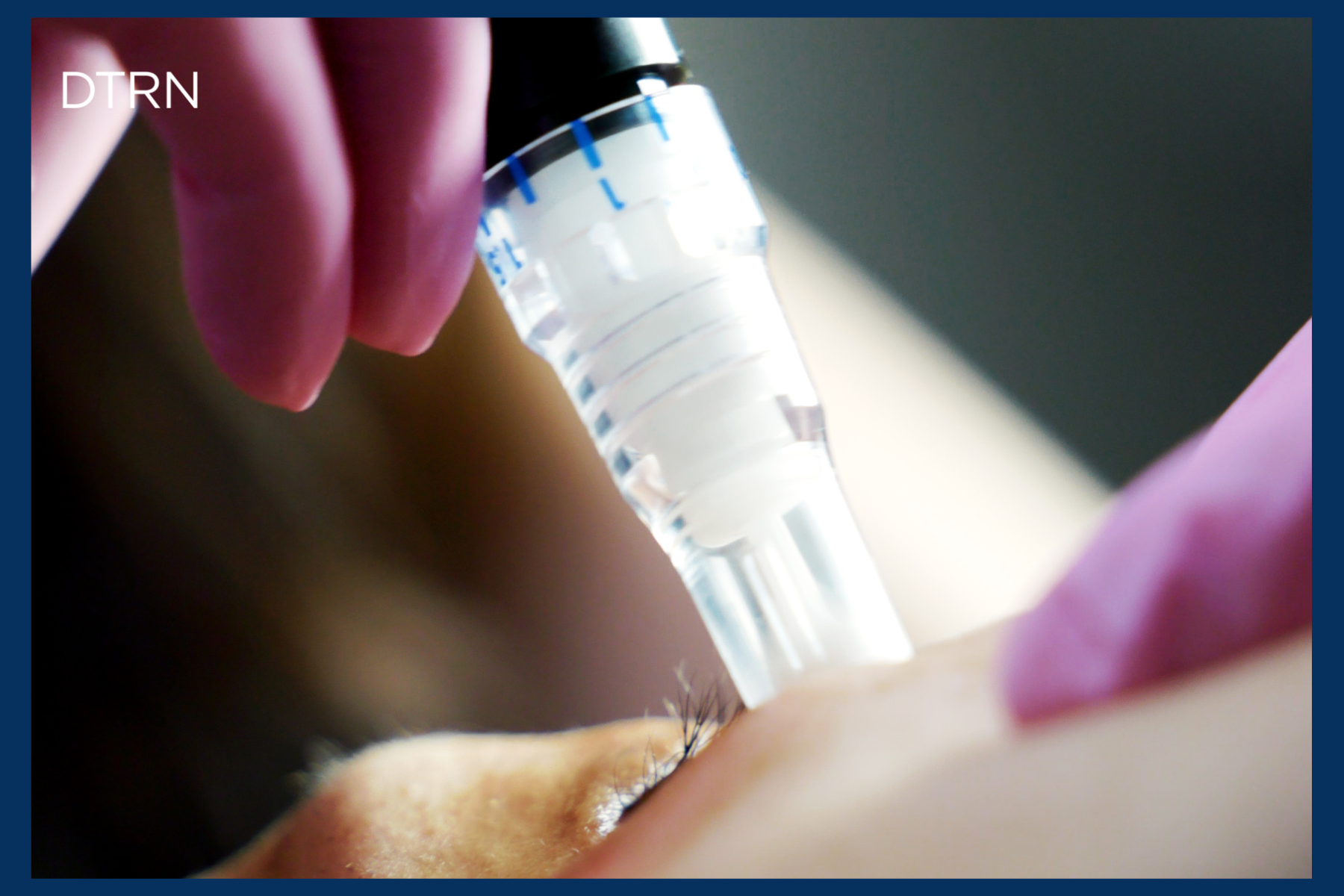
What is melasma, and what melasma treatments are available to help? Read below to find out…
Many people turn to dermatologists for their skin care issues. This is understandable, given that they are said to be experts in skin conditions and treatments. At the same time, many MedSpas and aesthetic service providers, such as DermaTouch RN, have years of experience treating specific skin conditions with proven success.
Also, treatments for skin conditions, such as melasma – the focus of this blog – are sometimes less costly at a MedSpa compared to a physician’s office. With that said, it is extremely important that you do your research and find an aesthetic or cosmetic service provider or MedSpa with high ratings and experience for the treatment you seek, and this is the case for doctors who treat such conditions as well.
The skin condition we’ll focus on for this blog is melasma.
What Is Melasma?
Melasma is a type of hyperpigmentation. Per the American Academy of Dermatology, “Melasma (muh-LAZ-muh) is a common skin problem. It causes brown or gray-brown patches on the face. Most people get it on their cheeks, the bridge of their nose, forehead, chin, and above their upper lip. It can also appear on other parts of the body that get lots of sun, such as the forearms and neck.”
Melasma Signs and Symptoms
Melasma symptoms include hyperpigmentation, or patches of darkened skin that are generally flat in nature. These patches can be gray or brown and are evident because they are darker than the person’s natural skin tone.
Melasma can appear as spots scattered across the skin or as a patch in a specific area. Common areas where melasma appears are:
- Forehead
- Chin
- Nose
- Cheeks
- Upper lip
What Causes Melasma?
The cause of melasma is still a mystery to the medical community. It is thought to occur when melanocytes—the skin’s color-making cells—produce too much color. Individuals with darker skin are more prone to melasma because they have more active melanocytes compared to those with fair skin.
Though it’s not clear what the cause of melasma is, there does seem to be some clear risk factors, which include:
- Hormone changes: Hormone replacement therapy and birth control pills can trigger melasma. Melasma also occurs in pregnant women. When this happens, it’s called the mask of pregnancy, or chloasma.
- Sun exposure: Melasma is often worse in the summer because ultraviolet light stimulates melanocytes. Just a small amount of sun exposure can increase melasma after treatment has faded it.
- Cosmetics: Products that irritate the skin can worsen melasma.
- Genetics: A genetic link is possible, given that around 50% of those with melasma report that relatives have been diagnosed with melasma.
- Sex: Females are 9 times more likely than males to be diagnosed with melasma.
What Are Some Melasma Treatments that Work?
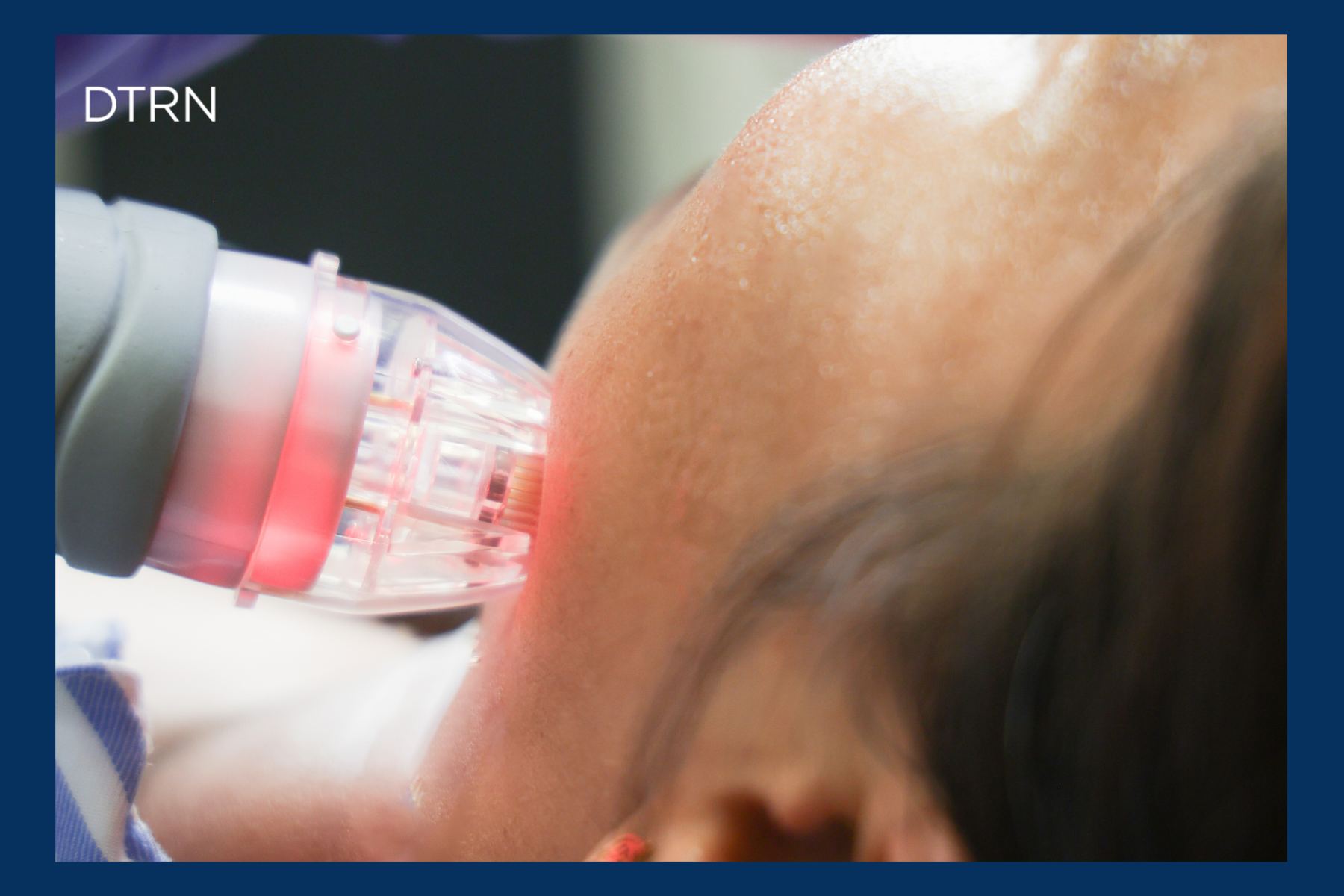
At DermaTouch RN, we’ve had a lot of success in treating melasma with chemical peels and a combination of skin care products.
“Our safe and conservative approach to treating melasma at DermaTouch RN includes VI Peel and Microneedling,” shares Mindy Goecke, Houston-based Aesthetician.
Goecke also stresses that at-home topicals are a must when dealing with melasma:
“The products to help improve melasma at home include retinol, Skinmedica Even and Correct, Epicutis Arctigenin Brightening Treatment, or ZO Skin Tone Evening & Brightening Program kit.”
Goecke also points out that other treatments that may be used in the office for melasma are the Moxi or CoolPeel. However, these lasers heat the tissue and can increase the risk of exacerbating melasma. Therefore, be sure to work with a professional who knows how to use these treatments appropriately when treating melasma.
It’s also important to protect the skin with a high-SPF sunscreen when in the sun.
Some Treatments “Prescribed” for Melasma Can Make It Worse!
Unfortunately, many prescribed melasma treatments include specific lasers that can worsen the condition. For example, Photofacials and BBLs (also known as IPLs) are often used to treat melasma but typically make the dark spots darker. This is why you want to make sure you’re working with a provider with a track record of success in treating melasma.
Are You Ready to Schedule a Skin Treatment Consultation?
DermaTouch RN has been treating skin conditions like melasma for more than a decade. Contact us today so we can help you reduce or remove the appearance of melasma from your skin with the right combination of treatments. Dark spots be gone!
Schedule your melasma treatment consultation online or call 281-720-8151 (Houston) or 210-660-4029 (San Antonio).
Mindy Goecke
LEAD LASER TECH/AESTHETICIAN
Mindy is an Aesthetician and a DiamondGlow trainer for The Allergan Medical Institute® for practices across Texas.
Learn more about Mindy and the DTRN team.

DermaTouch RN offers minimally invasive and non-invasive treatments for men and women in Houston, San Antonio, Spring and Cypress, as well as the surrounding areas of Texas. We are the largest aesthetic practice in the Houston area, and all of our medical spa treatments are performed by a team of nurse practitioners, registered nurses, and aestheticians who receive continuing education to remain abreast of emerging treatments that benefit our patients. We invite you to learn more about our office before your consultation.

