

Why Is Everyone Talking About Preventative Botox in Their 20s?
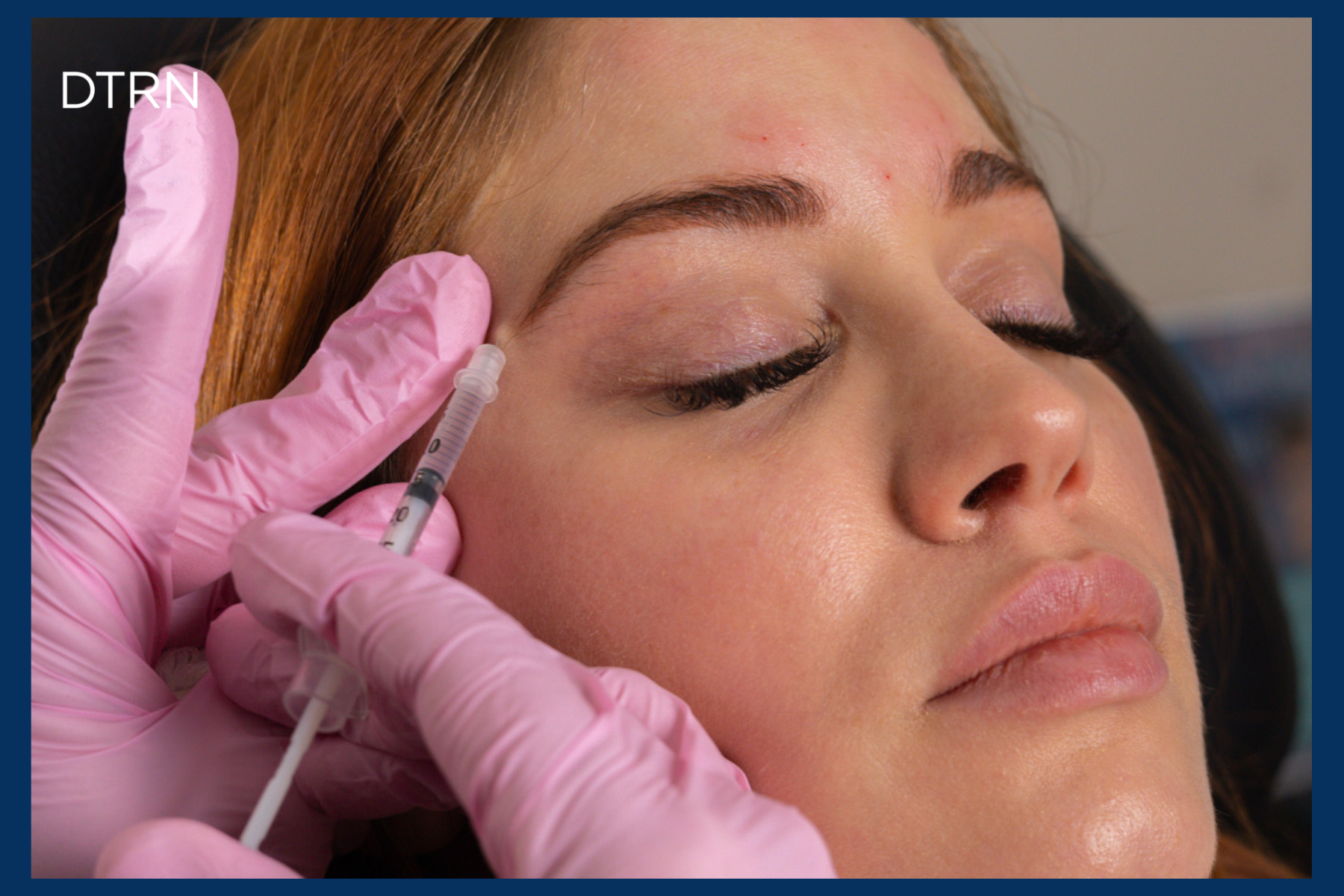
Are you seeing or hearing the term “preventative Botox” frequently these days? This blog covers what preventative Botox is and why it’s popular among those in their 20s and 30s.
Book your Botox consultation today!
It’s no secret that neuromodulators like Botox are among the top minimally invasive cosmetic treatments available. Botox rose in popularity quickly because it can help improve the appearance of fine lines and wrinkles. Today, it’s also used to help stop wrinkles before they start.
So, if you’ve been hearing “preventative Botox” and “baby Botox” across your social media feeds, you’re not imagining it — this treatment has become one of the most talked-about approaches in skincare.
But what does it actually mean to treat wrinkles before they exist? Below, we turn to Houston-based injector Ava Crowell to break down what preventative Botox is, why it’s resonating with people in their 20s and 30s, and how to know if it’s the right time for you to start.
What Is Preventive Botox?
Dynamic wrinkles form due to natural muscle movement – or dynamic movement. Think smiling, frowning, and laughing. Over time, this repeated dynamic movement causes lines and wrinkles to form. Botox injections help to treat these types of lines and wrinkles.
According to Crowell, “Preventative Botox refers to treating with Botox before deep, static lines have formed. The goal of this is to reduce the muscle movements that will eventually lead to the development of etched lines in the skin. By treating with Botox before the lines are super deep, we are able to minimize the risk of permanent wrinkles forming.”
Botox is FDA-approved to treat the appearance of fine lines and wrinkles of the forehead, frown lines, and crow’s feet. It’s frequently used for off-label uses, including:
- “Bunny lines” across the bridge of the nose
- “Smoker lines” around the lips
- To “flip” and enhance the appearance of the upper lip (aka “lip flip”)
- To lift the corners of the eyebrows
- To smooth the chin (aka “cobblestone chin”)
- To smooth the jawline
Botox is also FDA-approved to treat platysma bands on the neck.
Related Reading: Lip Flip Vs. Lip Filler – What’s the Difference?
Why Are People in Their 20s Talking About Preventative Botox?
As the name implies, people turn to preventative Botox to help prevent dynamic wrinkles before they appear.
“A lot of people in their 20s and 30s are starting Botox earlier in hopes of keeping the skin smooth and reducing deep lines,” shares Crowell.
However, regardless of your age, Botox injections can be beneficial.
“There’s no correct age to start Botox. A better indicator is whether you already notice expression lines lingering after your face relaxes or makeup that’s starting to settle in these lines,” Crowell points out, “Skin type, genetics, sun exposure and personal goals also play a role in deciding when to start treating with neurotoxins.”
Does Preventative Botox Work?
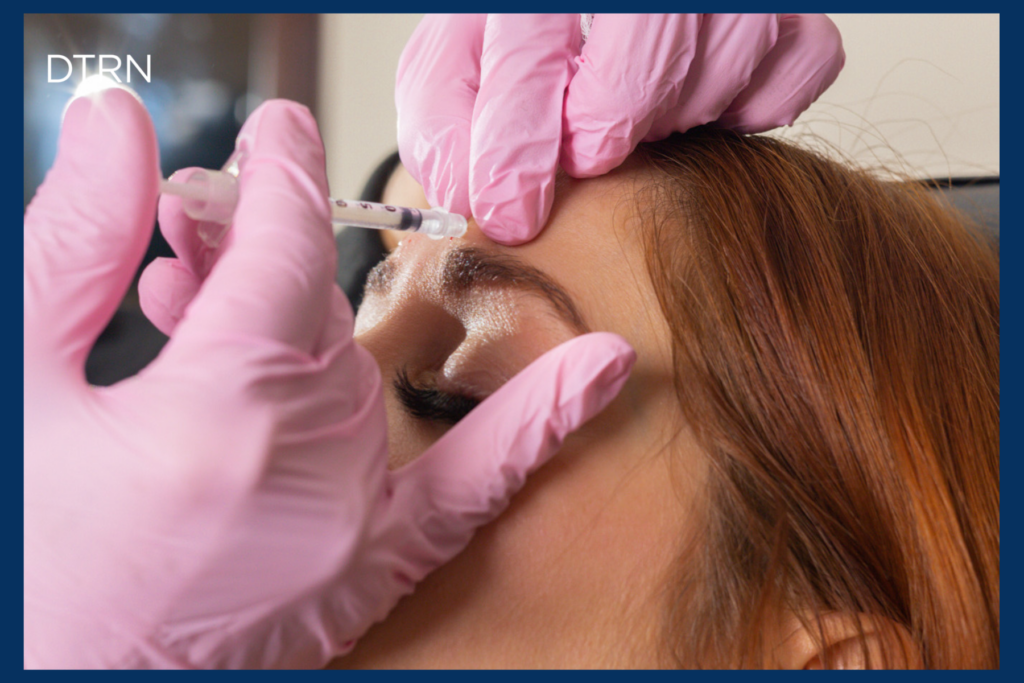
Botox is a neurotoxin (also referred to as a neuromodulator) that, when injected into the muscle, paralyzes it for a period of time. This, in turn, helps to relax the muscle and improve the appearance of fine lines and wrinkles.
As mentioned, neuromodulators like Botox are the top requested minimally invasive cosmetic treatments. And it’s because they work! Botox in your 20s and 30s can help to keep lines from forming or worsening or help to improve.
Related reading: When Will I Need a Botox Touch-Up?
Dermal Fillers Are an Excellent Complementary Treatment to Botox
Many people use dermal fillers in conjunction with Botox to help improve their appearance. Dermal fillers are used to add volume, improve the appearance of acne scars, balance facial features, and more.
The most popular dermal fillers are HA fillers, like Juvederm and Restylane. HA fillers add instant volume and last anywhere from six months to 2 years after treatment. They can be used to treat the lips, chin, jawline, cheeks, temples, and under the eyes.
There are also biostimulator dermal fillers, like Sculptra and Radiesse. These dermal fillers are injected into the skin and help to stimulate your body’s own collagen production. Results take a few months to see, and a series of treatments is often recommended for optimal results.
Many specialists suggest combining HA fillers with biostimulators for instant results and to build a solid infrastructure underneath.
Related Reading: How to Stack Aesthetic Treatments for Maximum Results
Are You Ready to Try Preventative Botox?
Whether you’re curious about baby Botox or ready to start a preventative Botox routine, the best next step is a personalized consultation. Every face ages differently, and the right treatment plan depends on your skin, your goals, and your expression patterns – not a one-size-fits-all timeline.
Ready to talk through your options? Book a consultation with our Texas team of skilled injectors in our Houston and San Antonio offices.
Book online or call 210-538-1283 (San Antonio) or 281-720-8718 (Houston) to get started on your lip injection journey.
Ava Crowell, BSN, RN
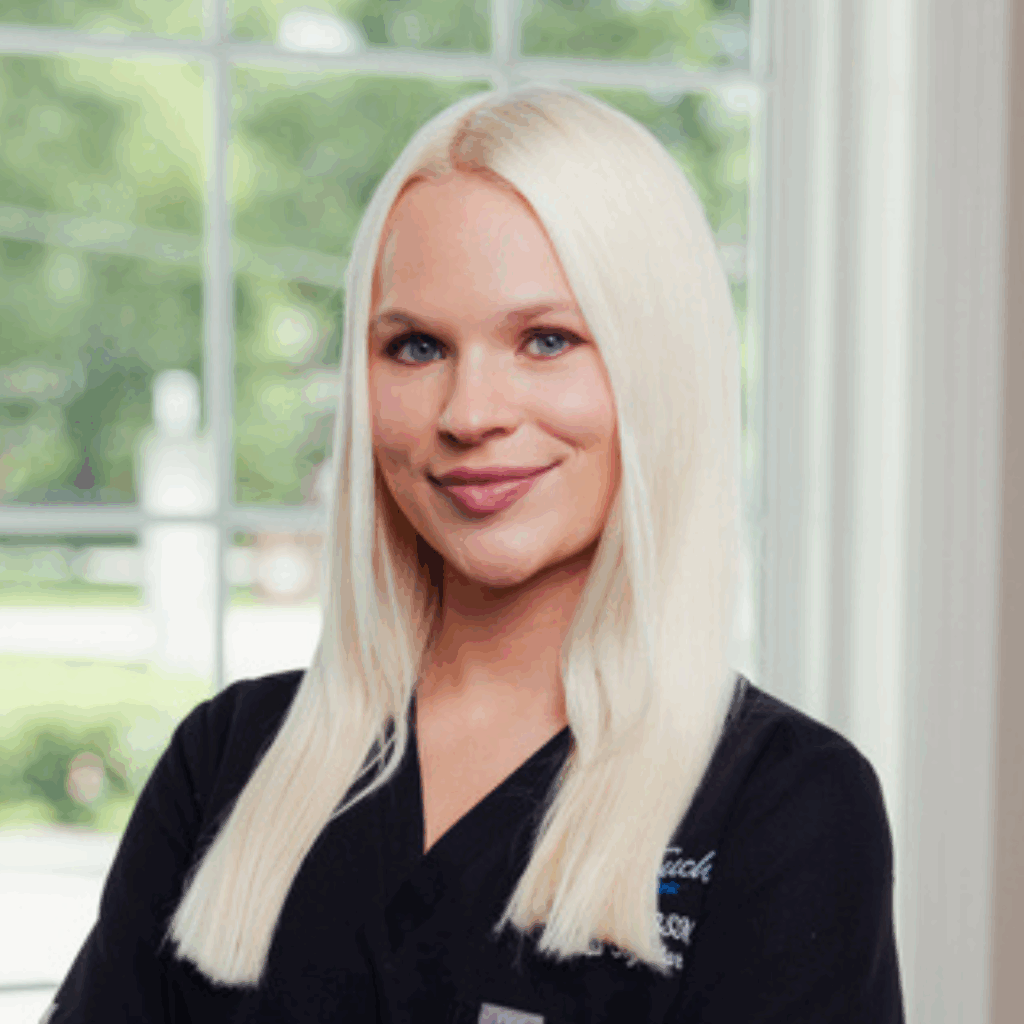
NURSE INJECTOR
Born and raised right here in the Houston area, Ava is a proud Texas native with a deep passion for patient care. She earned her Bachelor of Science in Nursing (BSN) degree from the University of Texas Medical Branch and began her career in the high-intensity environment of a high-risk postpartum unit in the Medical Center, where she cared for moms and babies from difficult pregnancies. With her background in nursing and a dedication to aesthetics, Ava is committed to helping her patients feel confident, comfortable, and well-informed throughout their aesthetic journey. When she’s not in the office, you can find her enjoying Pilates or spending quality time with friends and family.

DermaTouch RN offers minimally invasive and non-invasive treatments for men and women in Houston, San Antonio, Spring and Cypress, as well as the surrounding areas of Texas. We are the largest aesthetic practice in the Houston area, and all of our medical spa treatments are performed by a team of nurse practitioners, registered nurses, and aestheticians who receive continuing education to remain abreast of emerging treatments that benefit our patients. We invite you to learn more about our office before your consultation.

